24/7 Residential Care · Palm Springs, California

Residential Mental Health Treatment in California

24/7 structured mental health treatment for adults who need more support than outpatient care can provide.

Mental Wellness KS provides residential mental health treatment for adults in Palm Springs, California. Our veteran-owned, trauma-focused treatment center offers 24/7 structured support for adults struggling with depression, anxiety, trauma, PTSD, bipolar disorder, OCD, psychosis-related concerns, schizophrenia, self-harm, suicidal ideation, and co-occurring mental health symptoms when clinically appropriate.

Residential treatment gives clients space away from the pressure of daily life so they can focus on stabilization, psychiatric care, therapy, medication support when appropriate, family education, and long-term planning. For many adults and families, residential care is the next step when weekly therapy, medication appointments, or trying to manage symptoms at home is no longer enough.

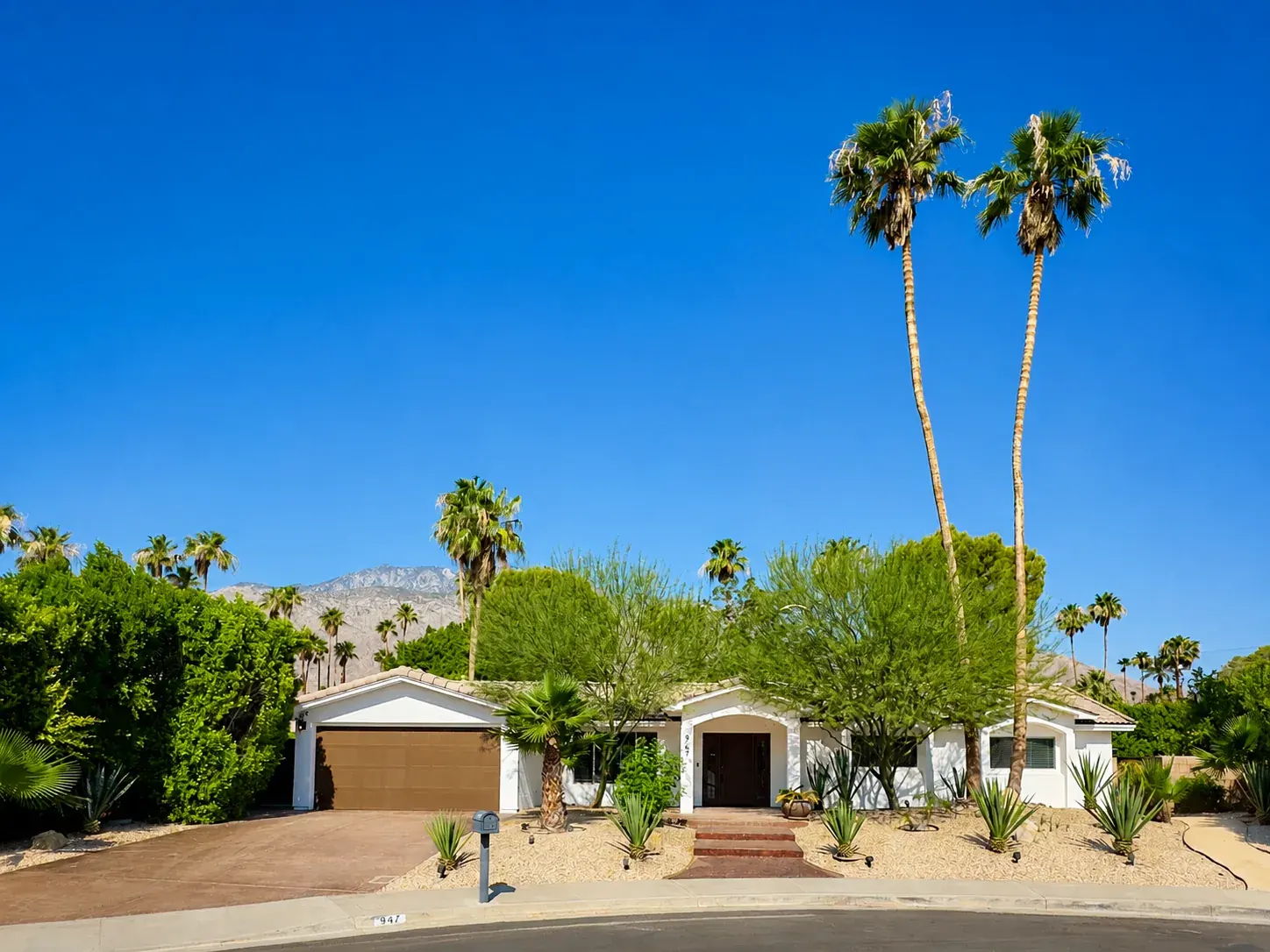
The Mental Wellness KS residential mental health treatment center in Palm Springs, California

The right level of care

When Residential Mental Health Treatment Becomes the Next Step

Many people begin with outpatient therapy, psychiatry, medication management, or support from family. For some adults, those supports are enough. For others, symptoms become too disruptive, too persistent, or too unsafe to manage through weekly care alone.

Residential mental health treatment may be appropriate when someone needs daily clinical support, 24/7 structure, psychiatric oversight, medication review, routine-building, family involvement, and a plan for what happens after stabilization.

Residential treatment may be appropriate when:

  • Weekly outpatient therapy has not been enough
  • Symptoms are disrupting sleep, work, school, relationships, or daily functioning
  • Depression, anxiety, trauma, PTSD, bipolar disorder, OCD, or other symptoms are becoming harder to manage at home
  • There has been a recent hospitalization, crisis episode, or step-down need
  • Medication changes or psychiatric symptoms need closer support
  • Family members are worried and unsure what to do next
  • Self-harm or suicidal thoughts are present but emergency care is not currently required
  • The person needs structure before stepping down into PHP, IOP, or outpatient care

If someone is in immediate danger, experiencing acute psychosis or mania, unable to stay safe, or at risk of harming themselves or others, call 911 or go to the nearest emergency room. For mental health crisis support, call or text 988. Mental Wellness KS is not an emergency crisis response service.

What residential care includes

What Happens in Residential Mental Health Treatment?

Residential treatment provides a structured environment where clients receive daily support while working on the symptoms, routines, relationships, and underlying concerns that brought them to treatment.

At Mental Wellness KS, residential care is individualized based on each client's symptoms, history, safety needs, psychiatric needs, family situation, and long-term goals.

Psychiatric Evaluation and Medication Support

Clients receive psychiatric evaluation and medication support when clinically appropriate. The team may review current medications, monitor response and side effects, and coordinate psychiatric care with therapy and daily programming.

Individual Therapy

Individual therapy helps clients understand symptoms, treatment goals, trauma history, coping patterns, relationships, triggers, and the next steps needed for stabilization.

Group Therapy

Group programming provides structure, skill-building, support, accountability, and the opportunity to work alongside other adults who are also focused on stabilization and recovery.

Trauma-Focused Treatment

When trauma or PTSD is part of the clinical picture, care may include trauma-informed therapy and evidence-based trauma approaches when clinically appropriate.

Family Education

Mental health symptoms affect the whole family system. When appropriate and with consent, family support helps loved ones understand symptoms, communication, boundaries, relapse warning signs, and discharge planning.

Discharge and Step-Down Planning

Residential treatment is one phase of care. The team helps clients plan for PHP, IOP, outpatient therapy, psychiatry, family support, and the routines needed after discharge.

Daily structure

A Structured Setting Helps Rebuild Stability

Mental health symptoms can disrupt the routines that support stability: sleep, meals, medication timing, hygiene, movement, social connection, and daily responsibilities. Residential care helps clients rebuild these patterns in a supportive environment.

The goal is not structure for its own sake. The goal is to create enough predictability that therapy, psychiatric care, medication support, family work, and coping skills can begin to hold.

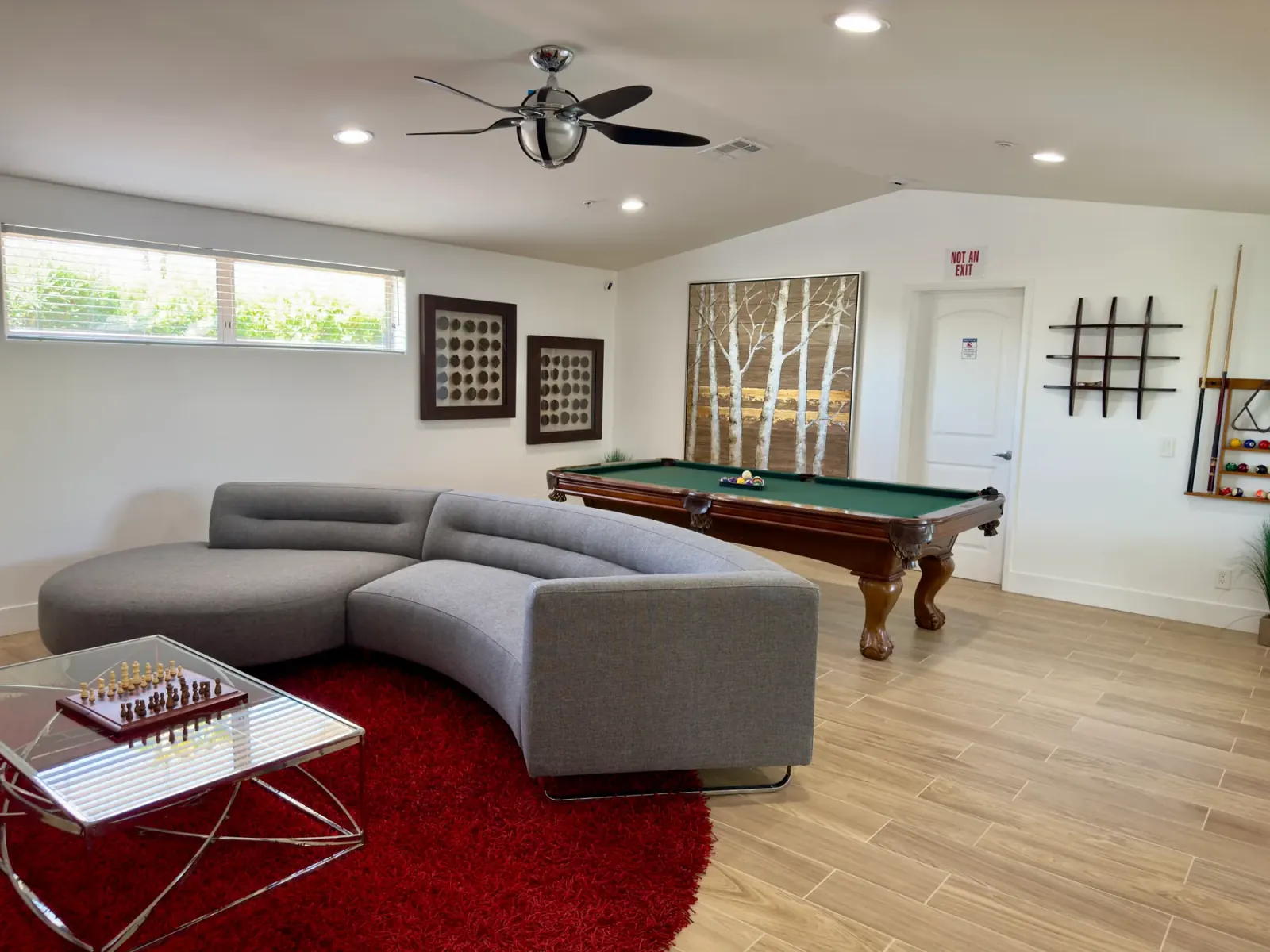
A calm, light-filled common room at the Mental Wellness KS residential treatment center

Residential structure may support:

  • Consistent sleep and wake times
  • Medication routines
  • Meals and hydration
  • Daily therapy programming
  • Group participation
  • Movement and time outside
  • Skill-building and emotional regulation
  • Reduced isolation
  • Family communication
  • Planning for life after treatment

Conditions treated

Mental Health Conditions We Treat in Residential Care

Mental Wellness KS provides residential mental health treatment for adults with a range of mental health concerns when clinically appropriate. Each inquiry is reviewed carefully to determine whether residential treatment, PHP, IOP, or another level of care is the safest and most effective next step.

Depression

Residential support for adults struggling with persistent sadness, isolation, hopelessness, numbness, low motivation, or difficulty functioning.

Anxiety

Structured care for adults experiencing panic, constant worry, avoidance, physical anxiety symptoms, or anxiety that has narrowed daily life.

Trauma and PTSD

Trauma-focused care for adults experiencing intrusive memories, nightmares, hypervigilance, avoidance, emotional numbness, or trauma-related distress.

Bipolar Disorder

Residential support focused on psychiatric care, medication review, sleep stabilization, mood tracking, family education, and relapse prevention.

OCD

Structured treatment for adults struggling with intrusive thoughts, compulsions, reassurance-seeking, rituals, avoidance, and difficulty tolerating uncertainty.

Veteran PTSD

Veteran-owned, trauma-focused care for veterans and active-duty service members experiencing PTSD, combat trauma, MST, moral injury, and co-occurring concerns.

Schizophrenia and Psychosis-Related Concerns

Support for adults who are stable enough to participate in residential care after screening and may need structure, medication support, family education, and relapse-prevention planning.

Self-Harm and Suicidal Ideation

Care for adults who are medically stable and clinically appropriate for residential treatment, with safety planning, psychiatric support, therapy, and step-down planning.

Why Palm Springs

Residential Mental Health Treatment in a Calm Palm Springs Setting

The environment matters. Residential treatment gives clients time and space away from the stressors, routines, and patterns that may be keeping symptoms active.

Mental Wellness KS is located in Palm Springs, California, in a calm residential setting designed to support privacy, structure, stabilization, and clinical work. Clients can focus on treatment while the team helps coordinate psychiatric care, therapy, family involvement, and the next phase of support.

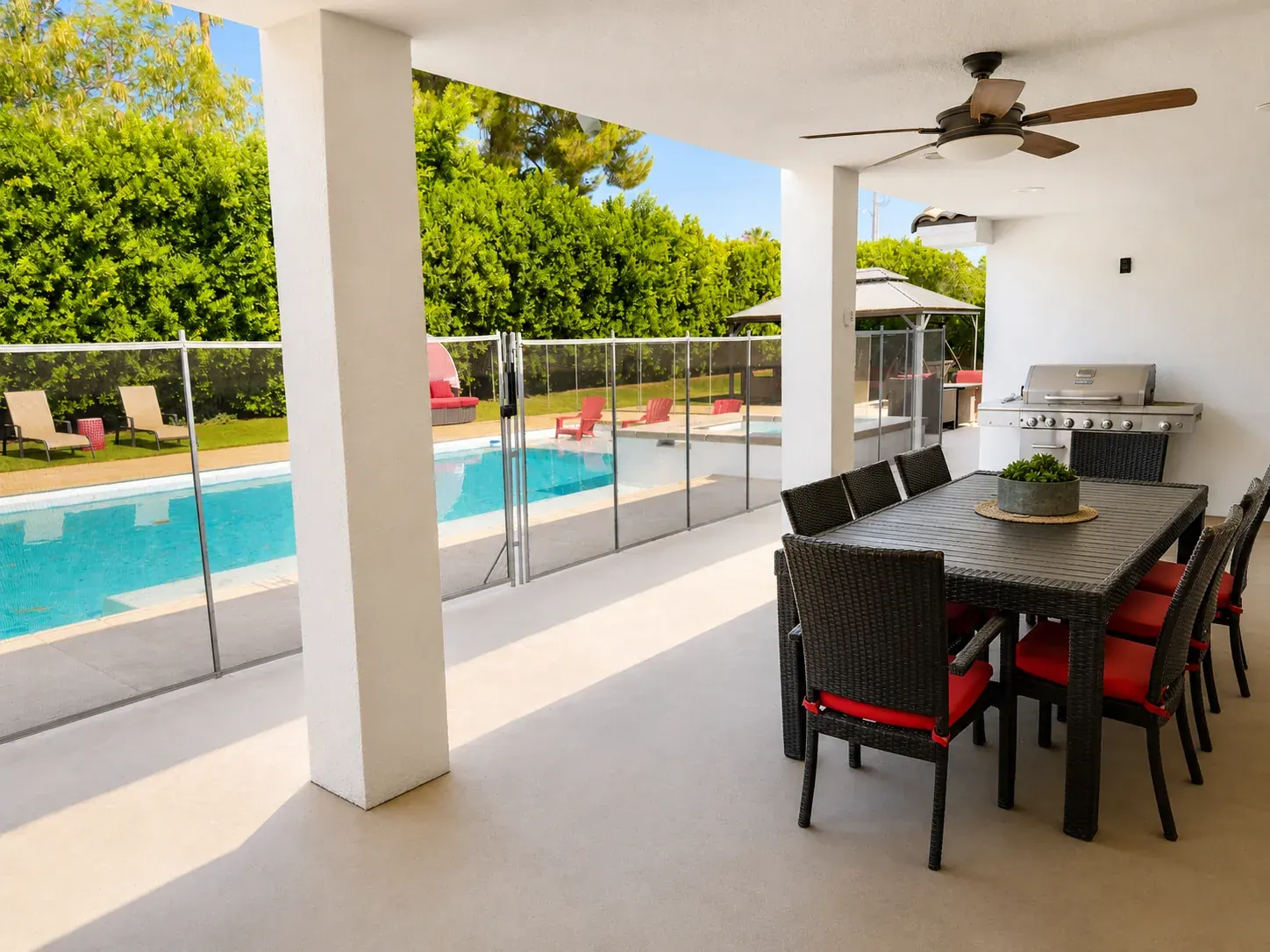
Shaded outdoor patio seating at the Mental Wellness KS residential setting in Palm Springs

The setting is designed to support:

  • Privacy
  • Daily structure
  • A calmer treatment environment
  • Distance from everyday triggers
  • Focus on therapy and psychiatric care
  • Family communication when appropriate
  • Step-down planning into PHP and IOP
  • A more supportive transition back into daily life

Step-down planning

Residential Treatment Is the Beginning of a Longer Care Plan

The goal of residential treatment is not only to stabilize symptoms while someone is on-site. The goal is to build a plan that can continue after residential care ends.

Many clients step down from residential treatment into PHP, then IOP, then outpatient therapy and psychiatry. This allows care to become gradually less intensive while the client practices stability in real life.

  1. 1

    Step one

    Residential Treatment

    Schedule
    24/7 support in Palm Springs
    Length
    Often 30–45 days, depending on clinical needs

    Residential care provides the highest level of support at Mental Wellness KS, with daily structure, therapy, psychiatric support, and stabilization.

  2. 2

    Step two

    Partial Hospitalization Program

    Schedule
    Monday–Friday · 8 AM–3 PM
    Length
    Often 6–12 weeks, depending on clinical needs

    PHP provides structured daytime care after residential treatment or as a starting point for clients who need intensive support without 24/7 care.

    Learn About PHP

  3. 3

    Step three

    Intensive Outpatient Program

    Schedule
    3 hours per day · 5 days per week
    Length
    Often 6–12 weeks, depending on clinical needs

    IOP supports continued treatment while clients rebuild work, school, family responsibilities, outpatient care, and daily routines.

    Learn About IOP

  4. 4

    Step four

    Outpatient and Community Support

    After IOP, clients may continue with outpatient therapy, psychiatry, family support, relapse-prevention planning, and community-based resources.

Residential vs. inpatient care

Residential Treatment Is Not the Same as a Psychiatric Hospital

Many people search for “inpatient mental health treatment” when they are looking for a higher level of care. Residential treatment and hospital inpatient care can both provide more support than outpatient therapy, but they are not the same.

Hospital inpatient care is typically used when someone is in immediate danger, medically unstable, unable to stay safe, or experiencing acute psychiatric symptoms that require emergency stabilization. Residential treatment is usually the next step when the person is medically stable but still needs 24/7 structure, therapy, psychiatric support, and help rebuilding daily functioning.

Hospital inpatient care may be needed first when:

  • There is immediate risk of harm to self or others
  • The person is unable to stay safe
  • There is acute psychosis, acute mania, or severe agitation
  • There has been a recent suicide attempt
  • The person is medically unstable
  • Emergency medication stabilization is needed
  • A locked psychiatric setting is required

Residential treatment may be appropriate when:

  • Immediate danger has been addressed
  • The person is medically stable
  • Symptoms still require 24/7 support
  • Outpatient therapy is not enough
  • Medication support and daily monitoring would help
  • The family needs education and planning
  • Step-down care into PHP or IOP is needed
  • The person can participate in structured treatment after screening

For families

Residential Treatment Can Help Families Understand What Comes Next

Families often call when they are exhausted, frightened, or unsure what level of care their loved one needs. They may have watched symptoms escalate for months or years. They may be trying to coordinate after a hospitalization. They may not know whether to push, wait, call emergency services, or look for treatment.

Mental Wellness KS helps families understand options, clinical fit, safety concerns, insurance, and the next step.

Family support may help loved ones:

  • Understand the diagnosis or symptoms
  • Recognize warning signs
  • Communicate without escalating conflict
  • Support medication consistency and routines
  • Prepare for discharge and step-down care
  • Understand when emergency care is needed
  • Create a realistic plan for after residential treatment
  • Know how to support without trying to control everything

Admissions

How to Start Residential Mental Health Treatment

Calling for residential treatment can feel overwhelming. Our admissions process is designed to be clear, confidential, and practical from the first conversation.

  1. Call or Submit a Form

    Contact admissions at (866) 888-4911. A team member can help you talk through symptoms, safety concerns, treatment history, and what level of care may be appropriate.

  2. Clinical Screening

    The team reviews current symptoms, safety, medical needs, psychiatric history, substance use, family concerns, and whether residential treatment may be clinically appropriate.

  3. Insurance Verification

    Admissions can verify benefits, explain what may be covered, review authorization requirements, and discuss financial options before treatment begins.

  4. Admission or Referral to the Right Level of Care

    If Mental Wellness KS is the right fit, the team helps coordinate admission. If another level of care is needed first, the team can help explain the next step.

Insurance and coverage

Insurance Coverage for Residential Mental Health Treatment

Many commercial insurance plans cover residential mental health treatment when care is medically necessary. Coverage depends on the plan, diagnosis, benefits, authorization requirements, medical necessity, and level of care.

In-network & out-of-network with United Healthcare, United Behavioral Health, Cigna, Aetna, Blue Cross Blue Shield, TRICARE, TriWest, Anthem, Meritain, Premera, Medica, Regence, Value Options, and others.

Admissions can help you:

  • Verify residential treatment benefits
  • Understand PHP and IOP step-down options
  • Review medical necessity and authorization requirements
  • Discuss costs before treatment begins
  • Coordinate family involvement when appropriate
  • Plan for travel to Palm Springs if needed
  • Understand whether emergency care is needed first

Clinical fit

Careful Screening Helps Determine the Safest Level of Care

Residential treatment is not the right level of care for every situation. Every inquiry is reviewed carefully to determine whether Mental Wellness KS is clinically appropriate.

The admissions and clinical teams consider current safety, medical stability, psychiatric symptoms, medication needs, substance use, self-harm risk, suicidal thoughts, family support, insurance coverage, and whether residential treatment, PHP, IOP, hospital care, detox, or another service is the safest next step.

Mental Wellness KS may not be the right fit for someone in immediate danger, acute suicide risk requiring emergency stabilization, active psychosis, acute mania requiring hospital-level stabilization, active eating disorder requiring specialized treatment, adolescents under 18, violent offense history, active arson history, or medical conditions requiring a higher level of care.

If someone is in immediate danger, call 911 or go to the nearest emergency room. For mental health crisis support, call or text 988.

Common questions

Frequently Asked Questions About Residential Mental Health Treatment

What is residential mental health treatment?

Residential mental health treatment provides 24/7 structured support for adults who need more care than standard outpatient therapy can provide. Treatment may include psychiatric support, therapy, group programming, family education, medication support when appropriate, and discharge planning.

Is residential treatment the same as inpatient mental health treatment?

Not exactly. Many people use “inpatient” when searching for a higher level of care. Hospital inpatient care is typically used for emergency stabilization or immediate safety concerns. Residential treatment provides 24/7 structured care for adults who are medically stable and clinically appropriate after screening.

How long does residential mental health treatment last?

Length of care depends on symptoms, clinical progress, insurance authorization, and individual needs. Residential treatment often lasts 30–45 days when clinically appropriate.

What conditions can be treated in residential care?

Mental Wellness KS treats adults with conditions such as depression, anxiety, trauma, PTSD, bipolar disorder, OCD, schizophrenia, psychosis-related concerns, self-harm, suicidal ideation, and co-occurring mental health symptoms when clinically appropriate.

Does residential treatment include medication management?

Psychiatric evaluation and medication support may be included when clinically appropriate. Medication decisions are made individually by qualified providers based on symptoms, history, prior medication response, side effects, medical considerations, and treatment goals.

Can families be involved in residential treatment?

Yes, when clinically appropriate and with proper consent. Family support can help loved ones understand symptoms, communication patterns, warning signs, boundaries, and discharge planning.

What happens after residential treatment?

Many clients step down into PHP, then IOP, then outpatient therapy and psychiatry. Step-down planning helps clients continue care while gradually returning to daily life.

Will insurance cover residential mental health treatment?

Many insurance plans cover residential mental health treatment when it is medically necessary. Coverage depends on the plan, diagnosis, benefits, authorization requirements, and level of care. Mental Wellness KS can verify benefits and explain available options.

Can someone admit directly from a hospital?

In some cases, yes. If the person is medically stable and clinically appropriate for residential care, admissions can help coordinate the transition from hospital discharge to residential treatment.

What if someone is in crisis right now?

If someone is in immediate danger, unable to stay safe, experiencing acute psychosis or mania, or at risk of harming themselves or others, call 911 or go to the nearest emergency room. For mental health crisis support, call or text 988.

Get in touch

Start residential mental health treatment in California.

If mental health symptoms are affecting your life, your safety, your relationships, your sleep, or someone you love, Mental Wellness KS can help you understand the next step. Call our admissions team to discuss residential mental health treatment, insurance verification, PHP and IOP step-down options, and whether our Palm Springs program may be the right fit.

947 N Cibola Cir · Palm Springs, CA 92262